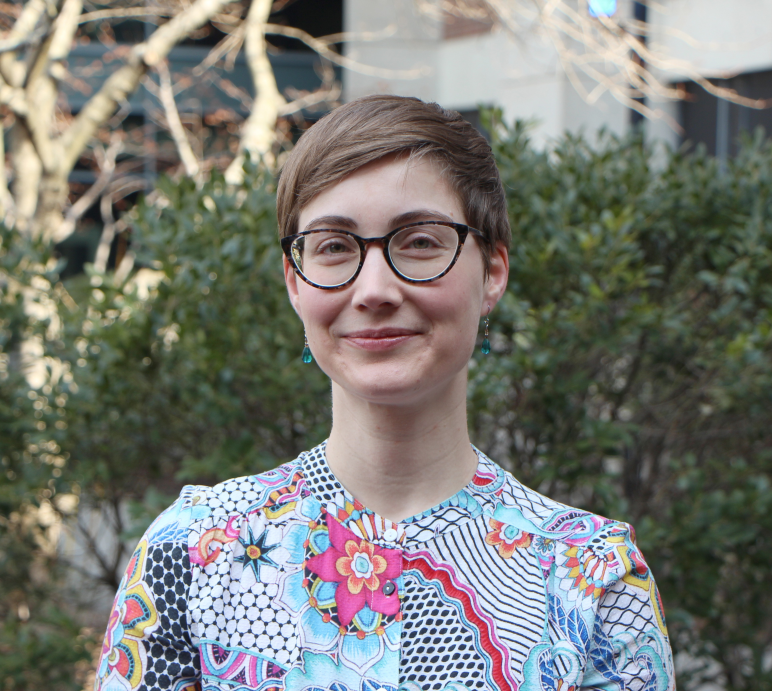
About
I am a biomedical engineer and neuroscientist interested in deciphering the role of the neuromodulators dopamine and serotonin in learning and cognitive flexibility. I use neurophysiology and the machine learning framework of distributional reinforcement learning to elucidate the computational and neural circuit mechanisms through which they modulate learning, cognitive states, and behavioral adaptability.
I work at the intersection where biological and artificial learning cross-pollinate, driving new insights into shared principles of intelligence. My work is integrated in the emerging field of NeuroAI.
I did my integrated master’s degree (i.e. Bologna bachelor+master) in Biomedical Engineering at Instituto Superior Técnico in Lisbon, Portugal, and later joined the MIT-Portugal program to obtain my Ph.D. degree in Bioengineering Systems from a consortium of Portuguese universities. My graduate research was developed in the budding Champalimaud Research at the Champalimaud Foundation under the supervision of Dr. Zachary F. Mainen.
Since 2017 I have been a Postdoctoral Fellow with Prof. Naoshige Uchida at Harvard University. I am affiliated to the Center for Brain Science and the Department of Molecular and Cellular Biology, where I have had the opportunity to collaborate with researchers from different schools.
Research Overview
My research investigates how neuromodulatory systems — especially serotonin and dopamine — support learning, decision-making, and adaptive behavior in dynamic and/or uncertain environments. I use a combination of behavioral paradigms, neural circuit manipulations, large-scale recording techniques, and computational modeling rooted in reinforcement learning theory.
As a Ph.D. student in Dr. Zachary Mainen’s lab at the Champalimaud Foundation, I focused on the role of serotonin in flexible behavior. I developed fiber photometry — now a widely used tool — to measure neural activity from specific cell populations
During my postdoctoral training with Prof. Naoshige Uchida at Harvard University, in collaboration with Prof. Jan Drugowitsch at Harvard Medical School, I have been probing how distributional reinforcement learning — a new framework in which agents learn not just average expected rewards, but full distributions of possible outcomes — is implemented in the dopamine-basal ganglia circuit. My experiments revealed that a subpopulation of mesolimbic dopamine neurons encodes full return distributions and projects broadly to the striatum, i.e. targetting both ventral and dorsal subregions of the striatum. My findings reveal that a “distributional critic” architecture is implemented in the brain, in which both the critic and the actor receive distributional prediction error signals to update their value representation and behavioral policy, respectively. My findings extend the architecture used in state-of-the-art actor-critic algorithms of machine learning for continuous control tasks, in which typicaly only the critic is updated using distributional prediction errors.
My findings also reveal a more complex architecture of the dopamine projections to the basal ganglia than what has been previously proposed: there is both compartimentalization and broadcasting of function-specific information across the striatum.
To achieve these insights, I developed several cutting-edge tools: two-photon calcium imaging of dopamine neurons via GRIN lenses, simultaneous multi-site fiber photometry of dopamine axons across the striatum, and multi-site optogenetic stimulation paired with Neuropixels 2.0 recordings to map functional connectivity. These innovations have enabled a more comprehensive view of dopamine’s diverse roles in encoding value, action, and threat across the striatum.
In addition, I’ve collaborated with computational neuroscientists — including Prof. Demba Ba’s group at the Harvard John A. Paulson School of Engineering and Applied Sciences and Kempner Institute — to build deep learning tools for analyzing neural signals during naturalistic behaviors. These methods help us better decode the complex, multiplexed information carried by neuromodulatory systems during real-world decision-making.
Altogether, my research bridges cutting-edge experimental neuroscience and computational theory to understand how neuromodulatory systems enable flexible and adaptive behavior.
Funding and Awards
My academic journey has been generously supported by public and private institutions:




2025 – Japan Neuroscience Society Neuroscience2025 travel award, to attend The 48th Annual Meeting of the Japan Neuroscience Society, Niigata, Japan
2020 - WIST Fund (Women in Science Travel Fund) grant for COVID-19 Relief on unanticipated childcare expenses
2015 - Convergent Science Network of Biomimetics and Neurotechnology travel award to attend the OIST Computational Neuroscience Summer Course in Okinawa, Japan
2015 - Janelia Farm Research Campus travel award to attend the conference on Motivational Circuits in Natural and Learned Behaviors Janelia Farm Research Campus, Virginia, USA